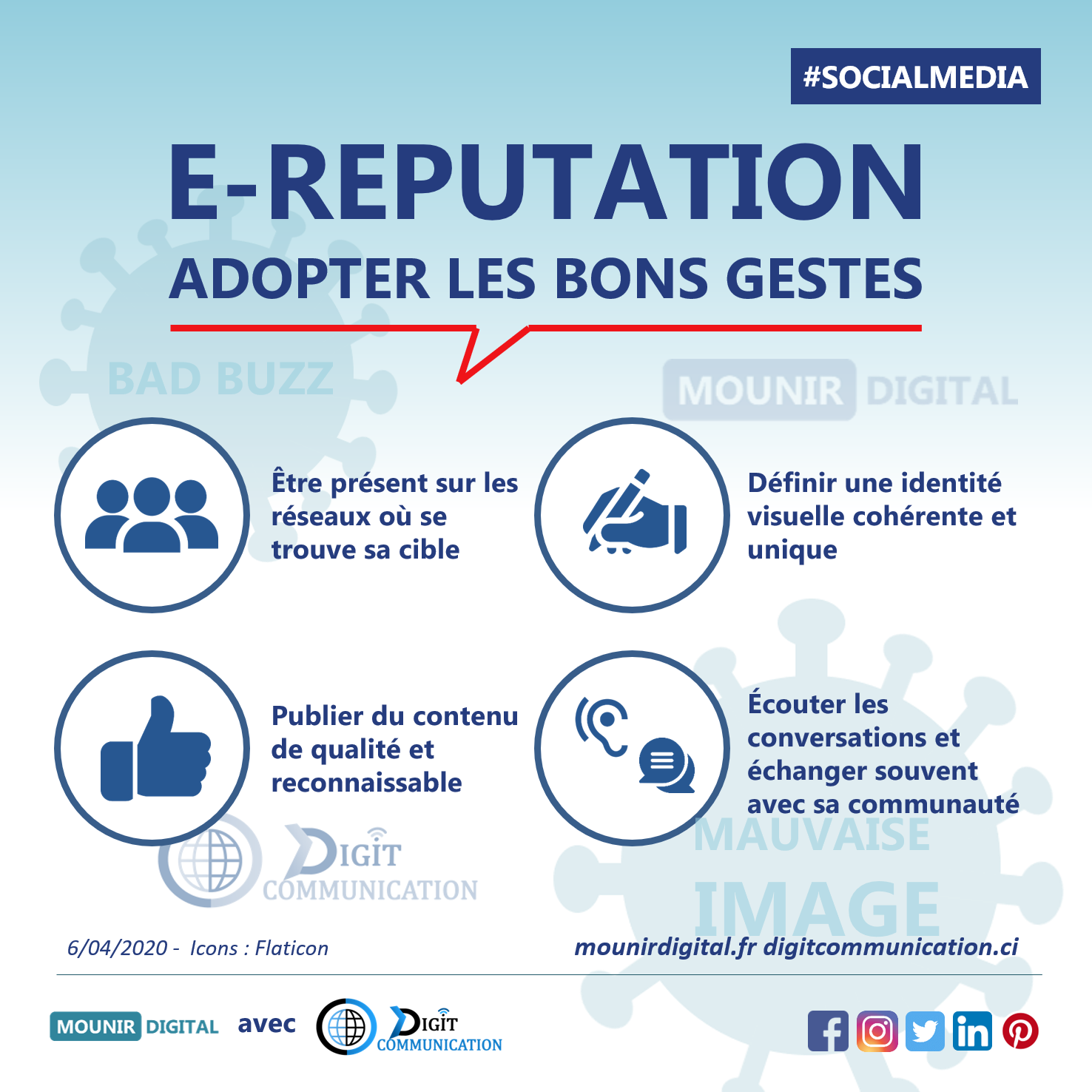
You may sometimes shudder to see renowned companies find themselves on the front page of the media or at the heart of a viral “bad buzz”, nailed to the digital pillory in a matter of hours. You are probably wondering: “What if this happened to my structure?” “. Keep in mind this quote from Mao Zedong: “A single spark can light a prairie fire. » At a time when artificial intelligence is indexing even the smallest of our data, it is crucial for a manager to know the risks involved. Here are the essential reflexes to protect your image and that of your company.
Carry out a regular visibility audit
In 2026, the “Google search” stage remains the basis of your control. By analyzing your search results (via private browsing to avoid bias), you will identify the pages associated with your name. This overview allows you to distinguish what must remain public from what is private. If you are missing certain information, do not hesitate to request delisting from the platforms concerned.
Secure your domain name
Identity theft and cybersquatting are persistent realities. It has become essential to register your first and last name as domain names (in .fr or .com). If you do not occupy this land, a third party could do it for you. An unofficial site in your name can seriously discredit your image as a leader, because Internet users rarely make the effort to verify the source of information.
Segment your social presence
For an entrepreneur, social networks are double-edged. Forgotten personal archives can resurface at any time through recommendation algorithms. The golden rule in 2026 is compartmentalization: on one side, a professional profile (LinkedIn type) for your expertise; on the other, strictly locked private accounts. Consider auditing your old posts to ensure they are not detrimental to your current position.
The strategic use of the pseudonym
Since a manager’s image is inseparable from his company, relative anonymity becomes a protection. For your leisure activities or personal interactions, the use of a pseudonym is strongly recommended. This prevents your private publications from interfering with your company’s SEO and limits unwanted requests to your personal messaging systems.
Automate monitoring with current tools
The speed of information circulation requires immediate responsiveness. Beyond Google Alerts, use monitoring tools that also scan social networks and forums in real time. Being informed as soon as content mentions your name is the only way to neutralize the start of a crisis before it gets out of control.
Cultivate a positive digital footprint
Controlling your e-reputation does not mean seeking invisibility, which could seem suspicious today. The goal is to proactively occupy the digital space. By regularly publishing content with high added value, you “drown” any obsolete or negative information under a mass of rewarding results that you control.
Manage your image with intention
The objective remains to project the image you have chosen. For a serious expert posture, favor formal and documented speeches. If your personal brand is more “human” or creative, you can allow yourself a certain relaxation, as long as it remains aligned with the values of your company and the expectations of your partners.
Consistency and quality of messages
Your e-reputation also lies in the quality of your writing. In 2026, with the omnipresence of content generated by AI, the singularity of your writing and the rigor of your words (spelling, syntax, relevance) are your best credibility assets. Check that your old political or controversial publications do not contradict your current professional ethics.
The GDPR, pillar of your right to be forgotten
Now the basis of digital protection, the GDPR requires platforms to guarantee your rights. Thanks to this regulation, you have clear legal levers to demand the erasure of obsolete or harmful personal data. The “right to be forgotten” is your best ally in cleaning up an e-reputation impacted by the past.